Noise/hip-hop kenyan aux influences black metal, accompagné d’un véritable spectacle audiovisuel
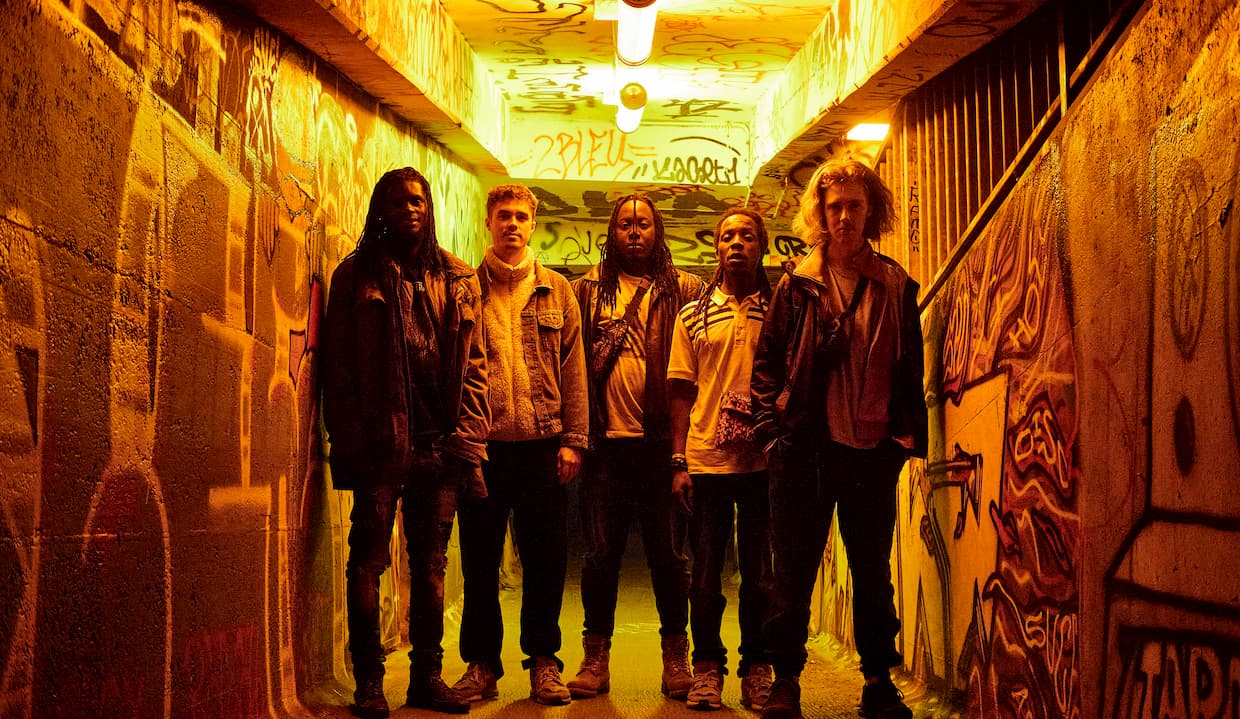
En 2020, le premier album éponyme du duo kenyan Duma nous a positivement surpris: un uppercut musical mêlant hardcore punk, trash metal, breakcore et industrial noise, avec une touche de black metal authentique. Malgré sa radicalité, le duo a été adopté par des artistes tels que Jesse Kanda (voir: Arca et Björk) et le groupe de desert blues Mdou Moctar, qui a demandé à Duma de remixer l’un de ses morceaux. Duma a d’ailleurs clôturé BRDCST en 2022.
Depuis, nous sommes fans inconditionnels du leader du groupe, Lord Spikeheart alias Martin Kanja (KE). Nous avons apprécié son premier projet solo The Adept. The Guardian: “Spikeheart displays the breadth and depth of his vocal experience, acrobatically veering from doom-laden growls to falsetto screams, fast-paced verses and textural noise, his voice a penetrating instrument that can compete with the distorted guitars and thundering bass.”
Avec son dernier EP REIGN, Spikeheart ne perd rien de sa puissance. Mieux encore des invités musicaux tels qu’Iggor Cavalera (ex-batteur de Sepultura et actuel batteur de Soulwax) et le groupe de metal togolais Arka’n Asrafokor intensifient encore ce dynamisme.
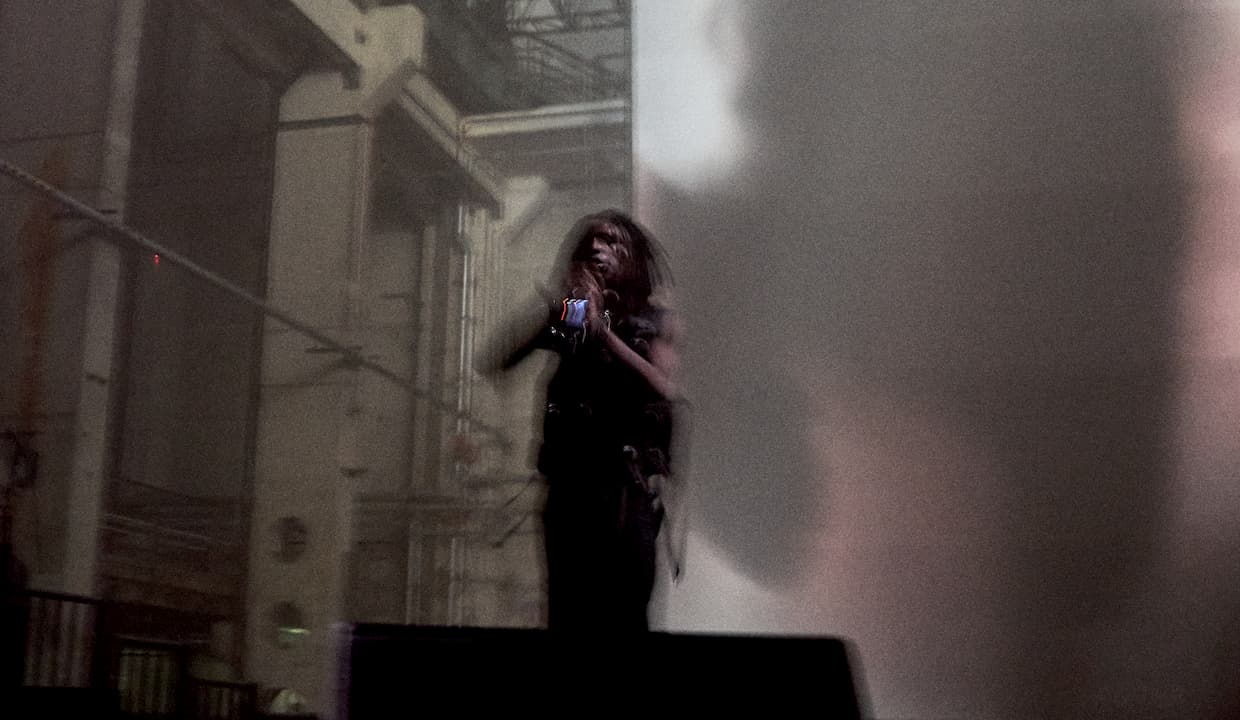
Cette année, Lord Spikeheart revient à BRDCST. Parce qu’il le faut. Avec, pour la première fois, un spectacle audiovisuel signé NMR.CC Basé en Grèce, NMR.CC a déjà travaillé entre autres pour Travis Scott, Eartheater et Pan Dajing.
NMR.CC: “It’ll be an audio-visual performance inspired by the Mau Mau Rebellion in Kenya (1952–1960), approached as a point of departure rather than a historical retelling. The work reflects on universal and contemporary experiences of abuse, displacement, betrayal, and loss shaped by enduring systems of power. Moving beyond a specific place or time, REIGN engages with ongoing global struggles for resistance, reclamation and justice, revealing how these histories continue to inform present realities and collective demands for accountability, dignity, and transformative change.” C’est noté.
video